
John A. Dues
I write and teach about improvement science rooted in the Deming philosophy to transform school systems.
ARTICLES


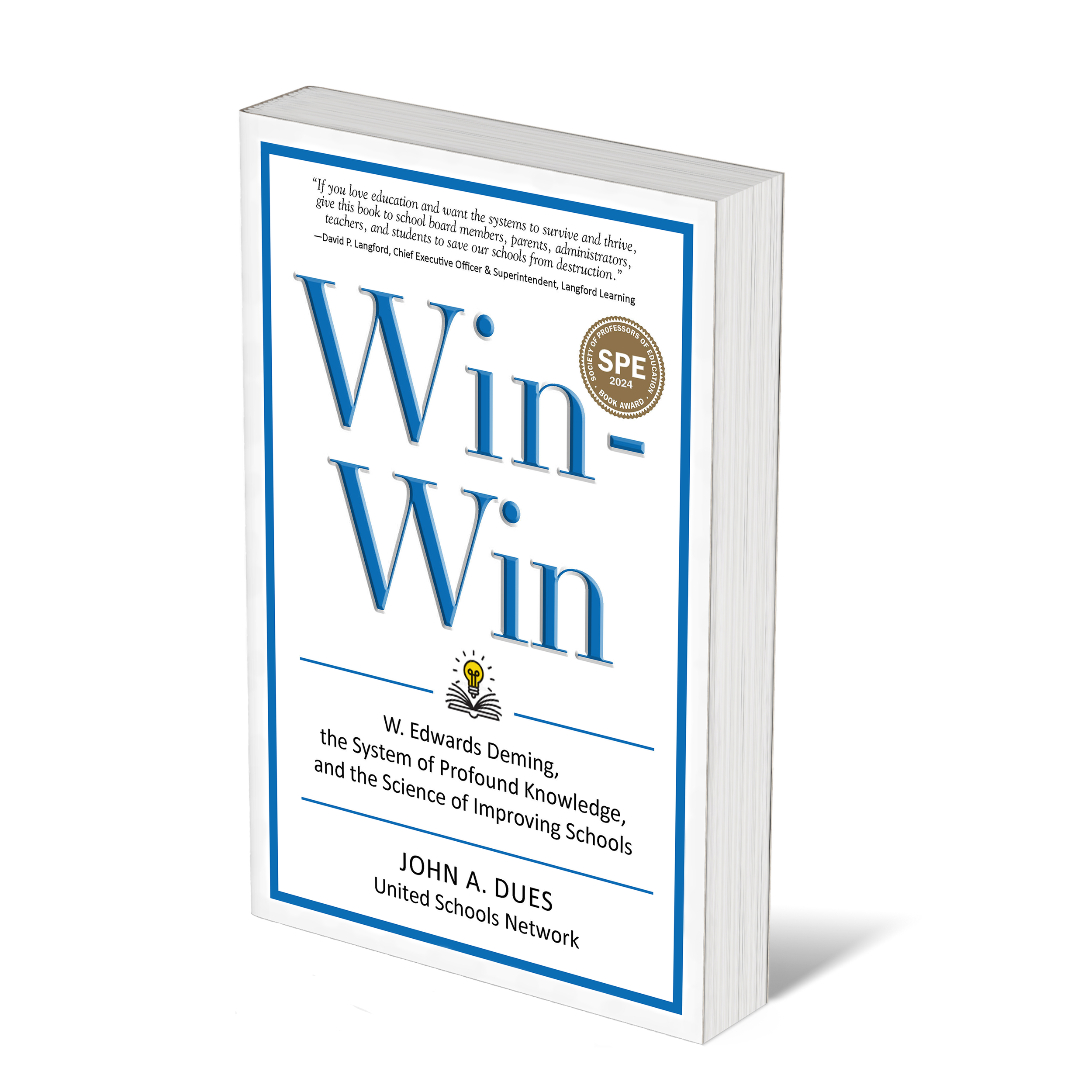
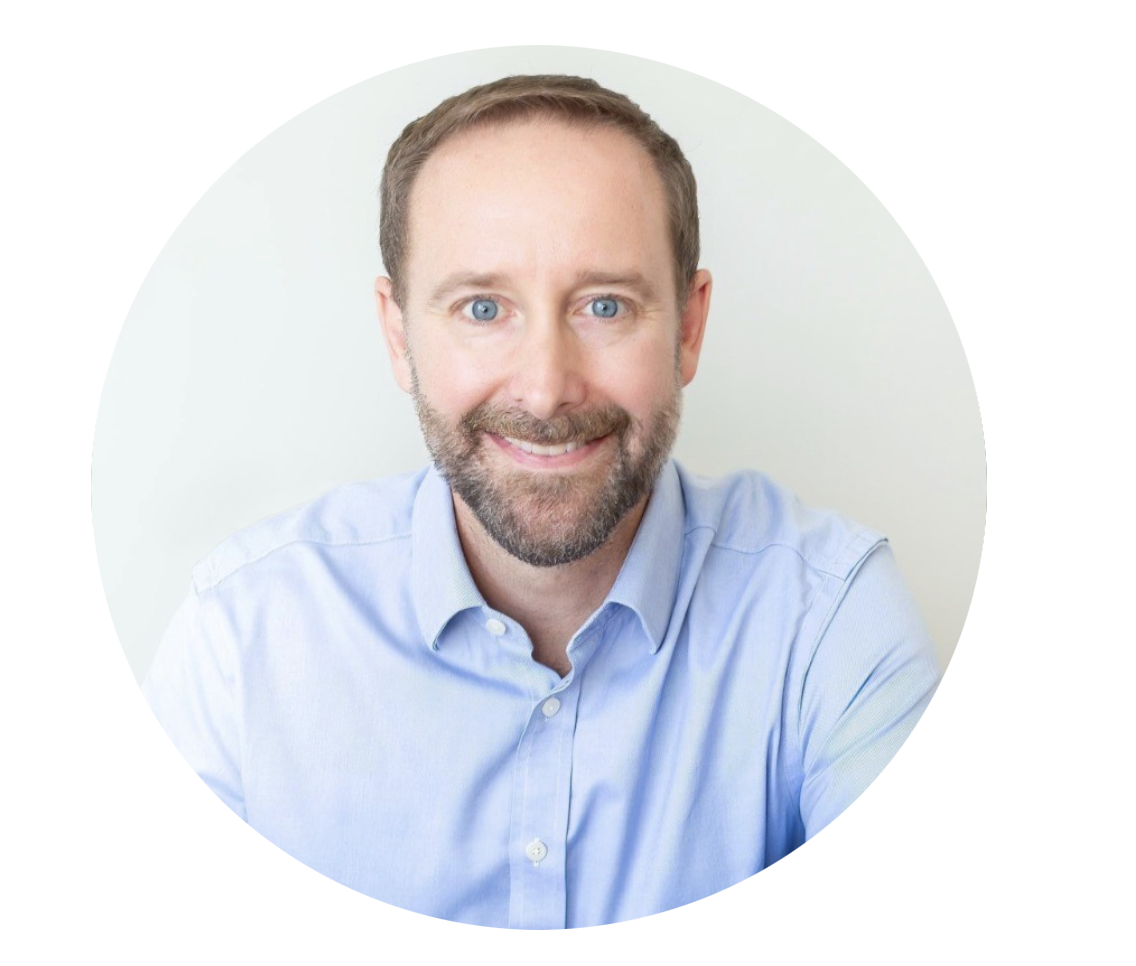
John A. Dues
School leaders accumulate an enormous amount of experience, yet many schools and districts continue to struggle with the same problems year after year. Drawing on W. Edwards Deming's insight that "Experience without theory teaches nothing," this article explores why experience alone doesn't produce improvement and how leaders can turn experience into organizational learning.
Most organizations have a strategic plan, but very few have a management system that connects strategy to daily work. Learn why the strongest organizations improve by intentionally designing the routines that turn long-term purpose into everyday practice.
The leaders who improve organizations the fastest are rarely the ones with the biggest ideas. They're the ones who create the fastest learning cycles. Here's why learning, not implementation, is the key to improvement.
Reacting to results feels like leadership, but it rarely improves outcomes. Learn why results don’t change until systems do and what leaders should focus on instead.
Most changes in school data are routine, not meaningful. Learn how to distinguish signal from noise so you can avoid overreacting and make better leadership decisions.
Most leaders read data one point at a time. But meaningful insight comes from seeing how results behave over time. Plotting measurements across time helps leaders interpret data more wisely and avoid reacting to routine variation.
When school data changes and pressure to respond builds, leaders need a way to decide whether a shift is meaningful or just noise. This post introduces a simple decision rule that helps leaders pause before reacting.
When school data shifts and all eyes turn to you, reacting quickly can feel responsible. But reacting without understanding often creates instability instead of improvement.